West Norwood floral permits and Lambeth Council rules explained
Posted on 24/09/2026
If you are planning flowers for a shopfront, event, memorial, wedding, venue entrance, or any kind of public-facing display in West Norwood, the rules can feel a bit foggy at first. That is fair enough. One minute you are thinking about colour palettes and stem counts, the next you are trying to work out whether Lambeth Council wants a permit, a licence, or just a sensible heads-up. This guide on West Norwood floral permits and Lambeth Council rules explained is here to make the whole thing much clearer.
We will walk through what floral permits usually mean in practice, when local permissions may be needed, how Lambeth-style compliance typically works, and where businesses, event organisers, florists, and households tend to trip up. You will also find a step-by-step process, a practical checklist, and a few real-world examples so you can plan with confidence rather than guesswork. Let's keep it simple, but thorough.
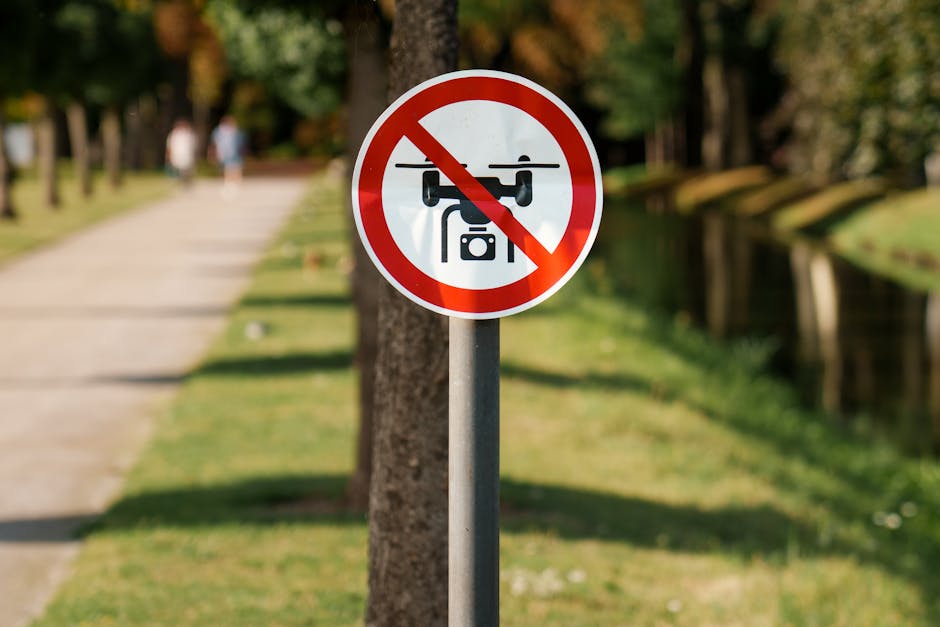
Why West Norwood floral permits and Lambeth Council rules explained matters
Flowers look effortless from the outside. A wreath on a doorway, a tribute at a memorial, a wedding arch, a row of planters outside a venue - all very lovely. But once a floral display touches public space, shop frontage, pavement access, or road-adjacent areas, the picture changes. That is where permissions and council rules start to matter.
In West Norwood, the practical issue is not usually the flowers themselves. It is what they affect: pedestrian access, visibility for drivers, waste disposal, public safety, obstructions, noise, event logistics, or how long something stays in place. Lambeth Council rules are there to balance nice-looking displays with ordinary daily life. Nobody wants a beautiful arrangement blocking a buggy, a wheelchair route, or a busy pavement at rush hour. Truth be told, this is where the smallest details can become the biggest headache.
Getting it wrong can mean delays, removal requests, extra costs, or a display being changed at the last minute. Getting it right, on the other hand, keeps things calm. It also makes your florist, venue, and customers trust you more. That matters whether you are organising a wedding, setting up seasonal promotions, or arranging flowers for a funeral service and need everything to run quietly and respectfully.
Expert summary: If your floral plan touches public space or a controlled venue area, always check whether permission is needed before installation. A quick check at the start is far easier than fixing a problem on the day.
How West Norwood floral permits and Lambeth Council rules explained works
There is no one-size-fits-all answer because floral permissions depend on where the flowers are going and how they will be used. A bouquet delivered to a house is very different from floral decor tied to railings, placed on a pavement, or installed as part of a larger public event. That is the key point.
In practice, the process usually works like this: you identify the exact location, decide whether the flowers will be private or public-facing, check for obstruction or safety issues, and then confirm whether the council, venue, or landowner needs to approve the display. Sometimes the answer is straightforward. Sometimes it is a little messy. A bit of both, to be fair.
For example, a florist delivering a sympathy arrangement to a home in West Norwood normally does not need council permission. But a florist creating floral installations for a street-facing event, a market stall, or a temporary structure near a footway may need approval from the relevant authority or venue manager. If the display is likely to affect access, traffic flow, or public land, it deserves a proper check.
It also helps to think in layers:
- Private property: usually the simplest, though the building owner or venue may still have rules.
- Shared property: flats, estates, churches, halls, and commercial units often have their own conditions.
- Public space: pavements, road verges, street furniture, and open public areas are where formal permission is most likely to matter.
If you are unsure, ask two questions before anything is installed: Who owns the space? and Will this interfere with public access or safety? Those two questions save a surprising amount of time.
Key Benefits and Practical Advantages
Permitting and compliance may sound a bit dry, but they have some very real benefits. The first is peace of mind. You are not trying to guess whether your display is acceptable. You know where you stand.
The second is smoother planning. Once you understand the rules, you can brief your florist, venue, or event team properly. That means fewer late changes, fewer awkward phone calls, and fewer "we thought it would be fine" moments. And let's face it, those moments are rarely fine.
The third benefit is better presentation. A display that has been planned around access and local rules usually looks better anyway. It is positioned more neatly, it lasts longer, and it fits the space. A bouquet or installation that respects the setting always feels more polished.
Here are the practical advantages in plain terms:
- Fewer compliance risks: less chance of removal or disruption.
- Better customer experience: smooth delivery, installation, and collection.
- Improved venue relationships: organisers and landlords tend to remember the people who do things properly.
- Cleaner planning: you can schedule setup, delivery, and takedown more accurately.
- Stronger reputation: careful, rule-aware work looks professional.
For weddings and funerals in particular, that matters. These are emotional events. Nobody wants avoidable confusion on the day. A florist who understands the setting helps the whole occasion feel calmer.
Who This Is For and When It Makes Sense
This topic is relevant to quite a wide group of people. If you are reading this because you need flowers in West Norwood, there is a decent chance you fall into one of these categories:
- Local florists handling deliveries, wedding work, tribute arrangements, or event flowers.
- Wedding couples planning ceremony decor, aisle flowers, table styling, and entrance arrangements.
- Funeral directors and families arranging tributes, wreaths, sprays, and service flowers.
- Businesses decorating shopfronts, receptions, or corporate spaces.
- Event organisers using flowers in public or semi-public settings.
- Venue managers who need clear rules for decoration, access, and collection.
It makes sense to check the rules whenever flowers go beyond a simple hand delivery. That includes window displays, hanging arrangements, entrance pieces, balcony decor, road-facing installations, and anything tied to temporary structures. If the setup might be seen by the public or physically affect a shared space, treat it as a permission question first and a design question second.
A small example: a cafe owner wants seasonal flowers outside the front door to make the place feel warmer on a rainy Wednesday morning. Nice idea. But if the pots narrow the pavement and make it awkward for passers-by at 8:30 a.m., the council or landlord may object. The flower choice is not the issue. The footprint is.
Step-by-Step Guidance
If you want the least stressful way to approach floral permissions in West Norwood, use a simple sequence. No drama, no guesswork.
- Define the exact floral setup. Is it a delivery, a tribute, a wedding arrangement, a shopfront display, or a public event installation?
- Identify the location. Private home, venue interior, pavement edge, shared entrance, street-facing frontage, or public land?
- Check the impact. Will the flowers block access, create a trip hazard, reduce visibility, or require fixing to property?
- Ask the right owner first. For private or rented spaces, the landlord or venue may matter more than the council.
- Confirm whether permission is needed. If public space is involved, do not assume it is fine just because it looks small.
- Plan the installation method. Think about weight, weather resistance, fixings, and how the flowers will be removed.
- Set a takedown time. Temporary floral displays should have a removal plan from the start.
That last step gets forgotten all the time. Someone spends ages on the arrangement, everyone admires it, and then no one knows who is collecting it on Monday. Slightly embarrassing, and more common than people admit.
If the flowers are linked to a wedding, funeral, or corporate event, give the venue a written summary. Keep it short. Include the date, location, access needs, and collection arrangements. A tidy message can prevent a lot of back-and-forth later.
You may also want to compare product types against the setting. For example, a compact design can be more suitable for a narrow entrance than a large arrangement. If you are choosing the right floral format for a smaller space, browsing flowers in a vase or exploring florist choice options can help you keep things elegant without overwhelming the area.
Expert Tips for Better Results
In our experience, the best floral planning happens when people think like both a designer and a site manager. That sounds very corporate, but it is true. The prettiest display is not always the best display if it gets in the way of the practicalities.
Here are the habits that usually make the biggest difference:
- Keep scale realistic. A generous bouquet can be lovely indoors, but oversized pieces outside can cause access issues.
- Use stable mechanics. Water sources, weights, and stands should suit the surface and weather exposure.
- Choose hardy flowers where needed. If the display is near heat, wind, or foot traffic, sturdier stems tend to behave better.
- Match the format to the occasion. Sympathy flowers, wedding flowers, and retail decor all have different expectations.
- Document the plan. A quick photo and brief written brief helps if staff change or collection gets delegated.
For seasonal or public-facing work, it also helps to think about timing. A display installed at 6 a.m. on a quiet street is a different proposition from one installed during the school-run rush. That little bit of timing awareness can save a lot of bother.
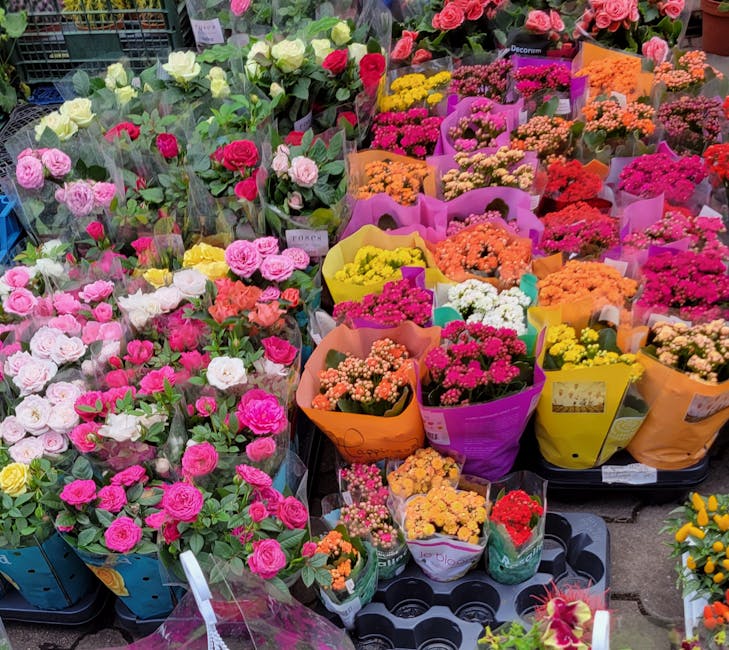
If you need flowers that are reliable and easy to adapt to different situations, a local florist with a broad range can help. For more everyday ordering needs, you can look at a local florist in West Norwood, or for practical delivery planning, delivery information can be useful when you are coordinating a set time.
Common Mistakes to Avoid
Most floral compliance problems come from simple assumptions. Not malice. Just haste. And honestly, when people are rushing through a wedding weekend or a bereavement arrangement, it is easy to miss the small stuff.
Watch out for these common mistakes:
- Assuming a small display never needs permission. Size is only one factor. Placement matters just as much.
- Forgetting access rules. A beautiful arrangement can still be a problem if it narrows a route.
- Not checking venue conditions. Some buildings have strict decoration policies, especially heritage or managed sites.
- Leaving collection unclear. Temporary flowers should have a removal plan and a named contact.
- Using weak fixings outdoors. Wind and rain in London do not play around.
- Ignoring waste and cleanup. Petals, wrapping, cable ties, and water can become an issue quickly.
There is also a classic mistake that deserves its own mention: arranging the flowers first and checking the rules later. If you do that, you are basically designing by hope. Not ideal.
Another one: assuming the person who booked the flowers has already sorted permissions. Sometimes they have. Sometimes they absolutely have not. A short written check-in is worth the effort.
Tools, Resources and Recommendations
You do not need a big technical toolkit to handle floral permissions well. What you do need is a sensible set of planning tools and a habit of keeping records tidy.
Useful tools include:
- A simple site plan showing where flowers will sit, face, or be fixed.
- Photo references of the location before setup.
- A delivery and collection checklist with times, access notes, and contact names.
- A basic risk review for trip hazards, water spill risk, and weather exposure.
- Clear product notes for colour, size, and any special handling.
For readers looking at related floral choices rather than permissions alone, a few website sections can be genuinely useful. Seasonal styling often pairs well with curated collections such as best sellers, more premium presentation with luxury flowers, and thoughtful gifting with any occasion designs. If you are trying to keep things affordable, cheap flowers in West Norwood may also be a practical starting point.
For customer care and ordering confidence, it is worth checking the business basics too. Pages like guarantees, returns and refund policy, payment information, and terms and conditions can help you understand how the service operates behind the scenes. That is especially useful if you are booking a larger event and want fewer surprises.
Law, Compliance, Standards, or Best Practice
This is where a careful tone matters. Floral permissions are not always governed by one single public rule you can apply everywhere. In practice, the relevant requirements can come from a mix of council processes, venue rules, property agreements, event permissions, health and safety considerations, and access obligations. So the safest approach is to treat each setup on its own facts.
As a rule of thumb in the UK, anything affecting public access, highway use, or shared building space deserves extra scrutiny. That does not mean a formal permit is always needed. It does mean you should not assume a display is acceptable just because it looks decorative or temporary.
Best practice usually includes the following:
- Keep walkways clear. This is the first thing people notice, and the first thing complaints tend to focus on.
- Use secure installation methods. Especially for outdoor work or anything attached to fixtures.
- Respect venue and landlord instructions. They can be stricter than the council.
- Plan for weather. Wet pavements, wind gusts, and sudden showers are part of normal London life.
- Have a removal schedule. Temporary floral work should not become an accidental permanent feature.
If you are dealing with a sensitive event, such as a funeral or remembrance service, the practical side of compliance becomes even more important. A well-chosen arrangement like sympathy flowers or a respectful tribute from the funeral flowers in West Norwood range is not just about appearance. It is about calm delivery, timing, and dignity. That is the bit people remember.
Options, Methods, or Comparison Table
When people ask about permits and rules, they are usually really asking, "What kind of floral setup is easiest to manage?" The answer depends on where and how the flowers are used. This comparison gives you a practical view.
| Option | Typical use | Permission risk | Best for |
|---|---|---|---|
| Home delivery bouquet | Personal gifting, birthdays, anniversaries, thank-you flowers | Low | Private addresses, everyday gifting |
| Venue table arrangements | Weddings, dinners, corporate events | Low to medium | Managed indoor spaces with venue approval |
| Shopfront display | Retail decoration, seasonal branding | Medium | Businesses with clear frontage rules |
| Pavement-adjacent installation | Promotions, launches, public-facing decor | Medium to high | Setups requiring access and safety checks |
| Public memorial or street tribute | Community remembrance, roadside tributes | High | Situations needing very careful coordination |
The table is not a legal verdict, of course. It is a planning guide. But it does help you see where most of the friction tends to appear. In general, the more public-facing the display, the more likely permissions and careful checks become important.
Case Study or Real-World Example
Imagine a small West Norwood wedding at a local venue on a Saturday afternoon. The couple wants flowers at the entrance, on the registrar table, and as a soft arch near the ceremony area. Nothing extravagant. Just elegant, warm, and not too busy. Lovely idea.
The florist starts by checking the venue's decoration policy. The entrance arrangement is fine as long as it does not block the doorway or interfere with emergency access. The arch is allowed inside the private event area, but the florist needs to use weighted bases rather than anything attached to a public railing. Table arrangements are straightforward because they are indoors and on managed surfaces.
Now compare that with a second scenario: the same florist wants to place large floral pieces on the pavement outside the venue for photos. That changes everything. The setup now affects a public pedestrian route and may need approval, or at least a much more formal check from the venue and relevant local authority. The flowers have not changed much. The location has. That is the whole game, really.
In the best case, the florist confirms the setup three days ahead, shares a simple sketch, and agrees a same-day collection time. Everything runs smoothly, the couple gets the photos they wanted, and the venue staff breathe a sigh of relief. No last-minute scrambling. No one muttering about missing paperwork while holding a ladder. A good day, all round.
Practical Checklist
Use this checklist before you finalise any floral setup in West Norwood.
- Have I confirmed the exact location of the flowers?
- Is the space private, shared, or public?
- Could the display block access, visibility, or emergency routes?
- Have I checked with the venue, landlord, or property owner?
- Do I need council approval or a permit of any kind?
- Is the installation method safe, stable, and weather-aware?
- Do I know the start time, end time, and collection time?
- Have I briefed the florist or installer clearly?
- Are waste, wrapping, and water management covered?
- Have I saved photos, notes, or written confirmation?
If you can tick all ten, you are in a much better place. If you cannot, stop and ask the missing question now. It is far easier to do that before the flowers arrive than after they are already half installed.
Get a free quote today and see how much you can save.
Conclusion
West Norwood floral planning gets much easier once you understand the difference between decoration and placement, and between private property and public space. That is really what this guide has been about: helping you see where Lambeth Council rules, venue rules, and practical access concerns might come into play before the first stem is tied in.
The main takeaway is simple. Do not leave permissions until the day of installation. Confirm the location, check the owner's rules, think about access, and keep the setup tidy and removable. If you do that, the flowers are far more likely to do what they are meant to do - brighten the space, support the occasion, and look effortless while doing it.
And honestly, that is the sweet spot. A beautiful floral display that just works. Quietly. Properly. No fuss.
Frequently Asked Questions
Do I always need a permit for flowers in West Norwood?
No, not always. A normal home delivery or indoor arrangement usually does not need council permission. The need for a permit becomes more likely when flowers are placed in public space, attached to external fixtures, or used in a way that affects access or safety.
What counts as a floral display in a public area?
Anything that sits on or affects a pavement, roadside area, shared entrance, public verge, or other space used by the public can count. It is not only about size. A small arrangement can still be a problem if it narrows a route or creates a hazard.
Who should I ask first: the council or the venue?
Start with the venue, landlord, or property owner if the flowers are going on private or managed land. If the display affects public space, access, or the highway, then the council side may become relevant too. It is often a two-step check, not one.
Are wedding flowers subject to Lambeth Council rules?
They can be, depending on where they are placed. Indoor wedding flowers are usually a venue matter. Outdoor pieces, entrance installations, street-facing decor, or anything that touches shared or public areas may need extra approval.
What about funeral flowers and tributes?
Funeral flowers are often arranged through the venue, chapel, crematorium, or family home rather than a public permit route. Still, if the tribute is being placed in a shared or public location, it is wise to check the relevant rules and collection arrangements.
How far in advance should I check permission?
As early as possible. For simple arrangements, a few days may be enough. For weddings, larger events, or anything public-facing, earlier is better because it leaves time to adjust the design if needed.
Can a florist help with compliance?
Yes, a good florist should be able to flag practical issues like access, scale, weather exposure, and delivery timing. They may not replace formal council guidance, but they can definitely help you avoid obvious problems before they happen.
What are the most common reasons a floral setup gets challenged?
The most common issues are blocked access, trip hazards, unsafe fixings, poor weather resilience, and unclear ownership of the space. Quite often the flowers themselves are fine; it is the placement that causes the issue.
Do I need anything in writing?
It is a very good idea. Written confirmation from the venue, owner, or organiser helps everyone stay on the same page. A simple message, email, or site note can prevent a lot of confusion later on.
Is it better to choose smaller arrangements for public-facing spaces?
Often, yes. Smaller or more compact arrangements are easier to manage, less likely to obstruct movement, and generally simpler to approve. That said, the right size depends on the exact setting. A small hall entrance and a wide hotel lobby are not the same thing at all.
What if I am still unsure whether permission is needed?
If you are uncertain, pause and ask. Check the space owner, venue manager, or local authority route before installation. A five-minute question now can save a day of disruption later. No one enjoys dismantling flowers that were already installed with care.
Are there specific flowers that are better for compliant displays?
There is no official list, but sturdier flowers and compact designs are often easier to manage for busy or exposed areas. For many occasions, products such as florist choice sympathy basket styles or wedding table arrangements can be adapted more easily than oversized structures.
What is the safest next step if I need flowers soon?
Confirm the location, check who controls the space, and choose a florist who can advise on practical placement. If the arrangement is urgent, a same-day or next-day delivery option may help keep planning manageable without cutting corners.
For a final, reassuring step, browse the local range, check the practical details, and keep the rules in mind from the start. The flowers will thank you for it, in their own quiet way.